
Colocation
Host organizational equipment following an assessment of rack space, power and connectivity.
netacoMatch hosting and computing resources to the real requirements of your organization’s services.
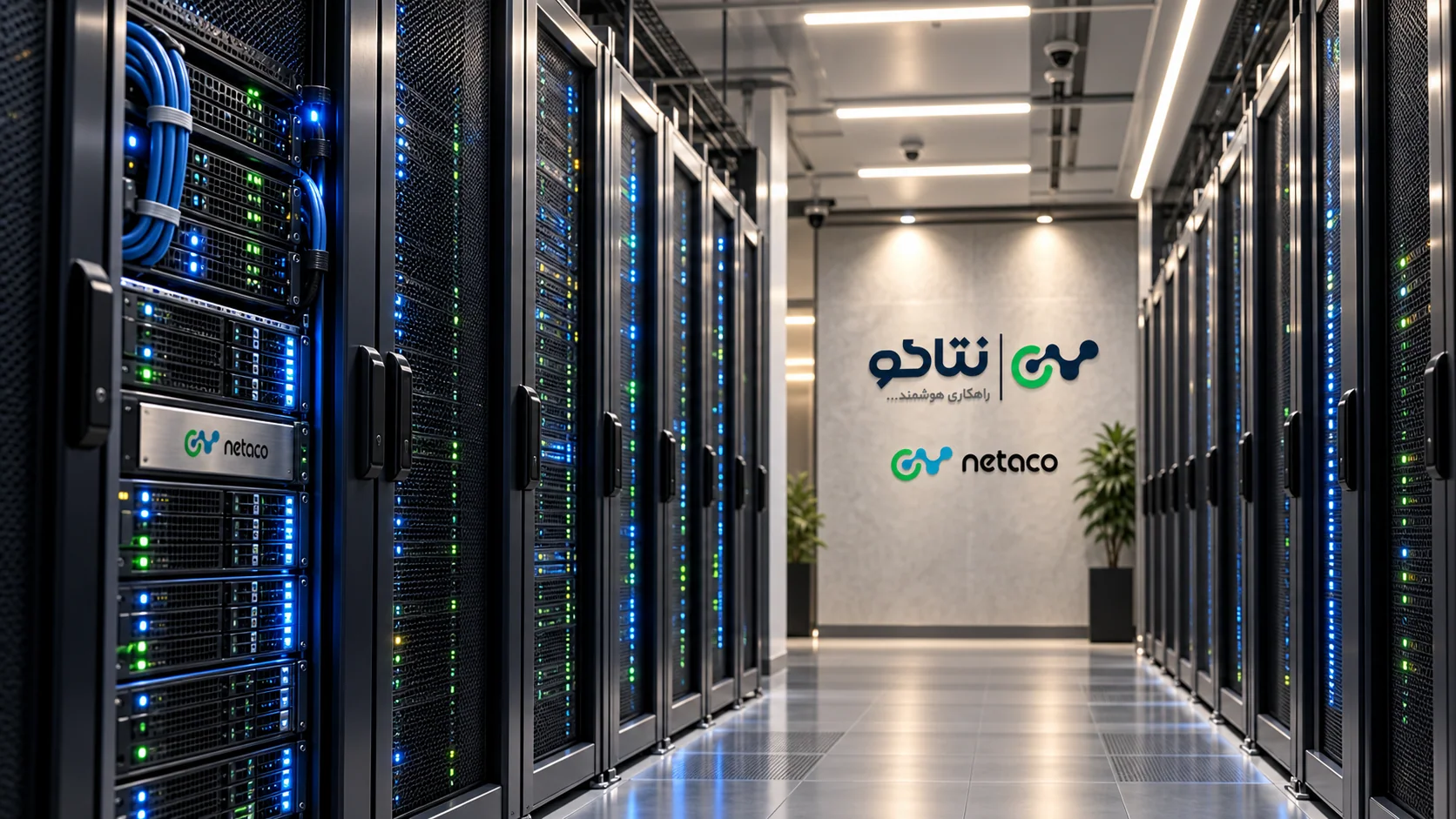
From hosting your equipment to supplying compute resources, infrastructure choices depend on workload, capacity, security and support needs.
Datacenter specifications, bandwidth, service levels, backups and operational responsibilities are defined in each project’s technical proposal and agreement.
Host organizational equipment following an assessment of rack space, power and connectivity.
netacoFlexible computing resources for services and evolving requirements.
netacoDedicated hardware resources for workloads requiring greater control.
netacoReview dependencies and plan the transition to an agreed schedule.
netacoDefine backup and recovery policies according to data sensitivity.
netacoSet the scope of monitoring and technical response within the service agreement.
netacoReview rack space, dimensions, power, networking and access for organizational equipment. Clarify asset ownership, mounting accessories, remote hands and maintenance. Prepare a connection inventory and acceptance plan before migration. The proposal identifies available location and specifications and matches them to equipment requirements so installation and subsequent operation have a defined basis.
Virtual hosting provides an environment with specified resources. Choose CPU, memory and storage from real load, data growth and concurrent demand. The plan defines resource-change options, disk type and network conditions. Monitoring after deployment helps revise capacity based on evidence and highlights when application behavior or usage has moved beyond the original assumptions.
Dedicated servers are considered for workloads needing defined hardware or greater control. Specify hardware, operating system, licensing and replacement or support responsibility in the proposal. Dedicated equipment does not replace backup or security. Evaluate ownership cost and the management team’s capability alongside capacity before selecting an environment for long-term operation.
Plan transfer through dependencies, recoverable copies, a change window and rollback. Agree backup scope, retention and restoration tests. Service levels, connectivity and application-versus-infrastructure responsibilities belong in the contract. Acceptance is based on working service and operating documentation, with a clear handover of responsibilities rather than simply confirming that a server has powered on.
To turn this topic into an executable plan, bring together the business objective, a decision owner and acceptance criteria. Use these points to start a review in your organization.
Virtual servers support flexible resource allocation; dedicated servers offer hardware resource control; colocation hosts equipment owned by the organization. Software needs, usage patterns and operational responsibilities determine the right fit.
NetacoProcessor and memory specifications are only part of the comparison. Storage, traffic, software licensing, backups and responsibility for operating-system administration affect both cost and usability.
NetacoDocument services, dependencies, the change window and a rollback method before migration. Capacity, connectivity, service levels and support commitments are specified after reviewing requirements and available delivery options.
NetacoIn colocation, customers own their equipment and hosting terms are defined. VPS provides logical resource allocation; dedicated servers give more hardware control. Evaluate storage, networking, backups, support and team time alongside price. CPU and RAM alone do not establish service quality; review real workload behavior and recovery.
Design recovery around RPO, RTO, data and key inventories, independent copies, SQL Server backup strategy, restoration tests and operating ownership.
Read articlePrepare colocation with rack dimensions, power, connectivity, equipment ownership, physical access, remote hands, backup and a tested migration plan.
Read articleCompare virtual and dedicated servers through workload, storage, control, growth, operating cost and explicit backup and management responsibilities.
Read articleWe start by reviewing your requirements, approximate users or devices, and infrastructure conditions. Scope and implementation stages follow from this assessment.
Use the contact form to share the solution you need, approximate capacity and timing priorities. The Netaco team will review your request.
Tell us what your organization needs. The right solution begins with a clear understanding of the challenge.