Colocation readiness for enterprise servers and equipment
Colocation is more than rack space. Equipment migration needs coordinated power, connectivity, access and maintenance responsibilities.
 Netaco editorial team3 min read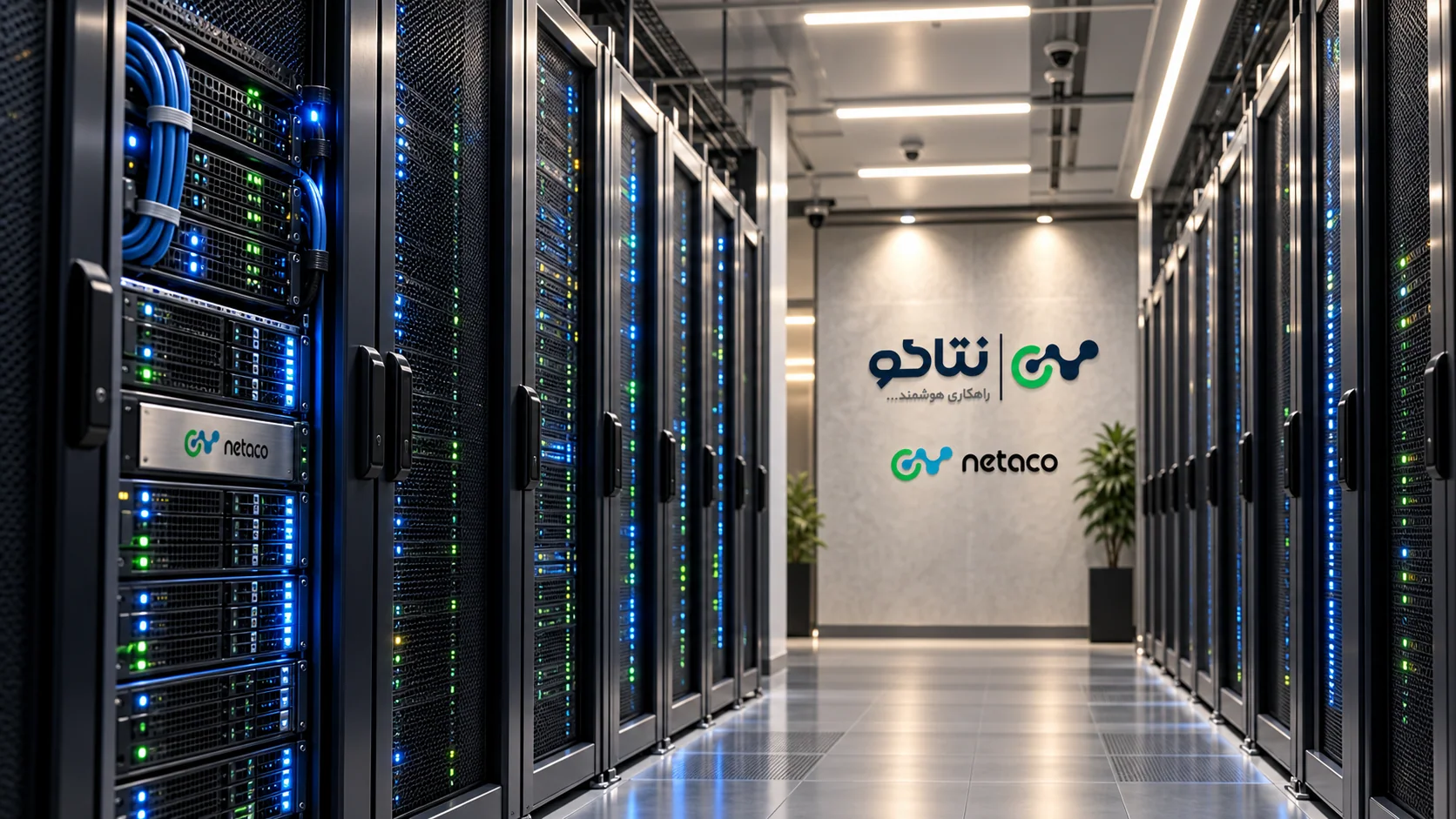
In colocation, an organization typically hosts its equipment at a provider’s facility and receives agreed infrastructure services. Ownership and the exact service boundary should be explicit in the contract.
Prepare an equipment inventory and operating requirements when discussing Netaco services. Location, capacity, connections and service levels depend on the proposal. The datacenter label alone does not establish a particular redundancy or availability level.
Key takeaways
- Accurate inventoryRecord dimensions, power and network requirements.
- Clear responsibilitySeparate hardware maintenance from provider services.
- Tested transitionPlan interruption, acceptance and rollback.
Inventory equipment and rack requirements
Record models, rack units, depth, weight and mounting accessories for servers and network equipment. Rail compatibility and rear access matter. Consider likely growth without paying for unexplained excess capacity. Record asset identifiers and ownership at handover. Small accessories and cables can delay installation, so include them in the packing and acceptance checklist rather than treating them as incidental details.
Coordinate power and environmental needs
Estimate power from specifications and measured consumption. Align inlet types, power supplies and distribution connections. Ask about allocated capacity and failure behavior, then record the answer in the service scope. Two power supplies do not by themselves establish independent power paths. Match equipment environmental requirements to the proposed conditions and identify who investigates an alarm affecting power or cooling.
Plan networking and addressing
Specify port count, speed, connection type, addressing and branch connectivity. Review application dependencies if IP or DNS changes are required. Include the change window and external verification in migration planning. Clarify traffic limits and capacity-increase requests. Assess management access separately from the public application path and align it with the organization’s access policy before equipment is installed.
Define physical access and remote hands
Identify authorized people, entry requests and operation records. Remote-hands tasks such as cable checks or component replacement need an agreed scope and response arrangement. Ambiguous instructions invite mistakes; identify the device, port and exact action. Decide who supplies spare parts and where they are stored before the first failure makes those arrangements urgent and harder to coordinate.
Separate maintenance, backup and contractual scope
Physical hosting does not automatically include operating-system administration or data backup. Assign monitoring, patching, licensing and restoration. The service description should explain incident notification, support boundaries and change requests. Request documentation for any redundancy or service-level claim in the specific plan. Equipment removal and migration elsewhere also need a clear process that the organization can schedule.
Prepare migration and acceptance
Create a recoverable backup and connection inventory before moving equipment. Document shutdown, transport, installation and startup order. After deployment, verify networking, application service, monitoring and recovery. Completion should reflect the end user’s service, not merely a powered-on server. Final documentation and the handover record become the reference for maintenance and future requests involving equipment or connectivity.
A decision checklist for managers and delivery teams
To turn this topic into an executable plan, bring together the business objective, a decision owner and acceptance criteria. Use these points to start a review in your organization.
Equipment specifications
Prepare rack dimensions, power demand and connection types before moving.
NetacoOperational access
Clarify entry procedures, remote assistance and response ownership.
NetacoDocumented handover
Record and test equipment status and cabling at handover.
NetacoFrequently asked questions
Does colocation include software management?
Only when specified. Equipment hosting, operating-system administration and application maintenance are distinct responsibilities.
What information is needed for a proposal?
Equipment inventory, rack units and depth, power, ports, traffic, access and remote-hands needs. Include growth expectations and migration timing.
Should backup happen before migration?
Yes. Prepare a recoverable copy and a way to verify it. An untested backup file provides insufficient confidence for moving a service.
Sources and further reading
Related Netaco solutions
Infrastructure for business continuityDeployment matched to the product and organizationRelated articles
VPS or dedicated server: choose by workload
Compare virtual and dedicated servers through workload, storage, control, growth, operating cost and explicit backup and management responsibilities.
Read articleBackup and disaster recovery for enterprise applications
Design recovery around RPO, RTO, data and key inventories, independent copies, SQL Server backup strategy, restoration tests and operating ownership.
Read article